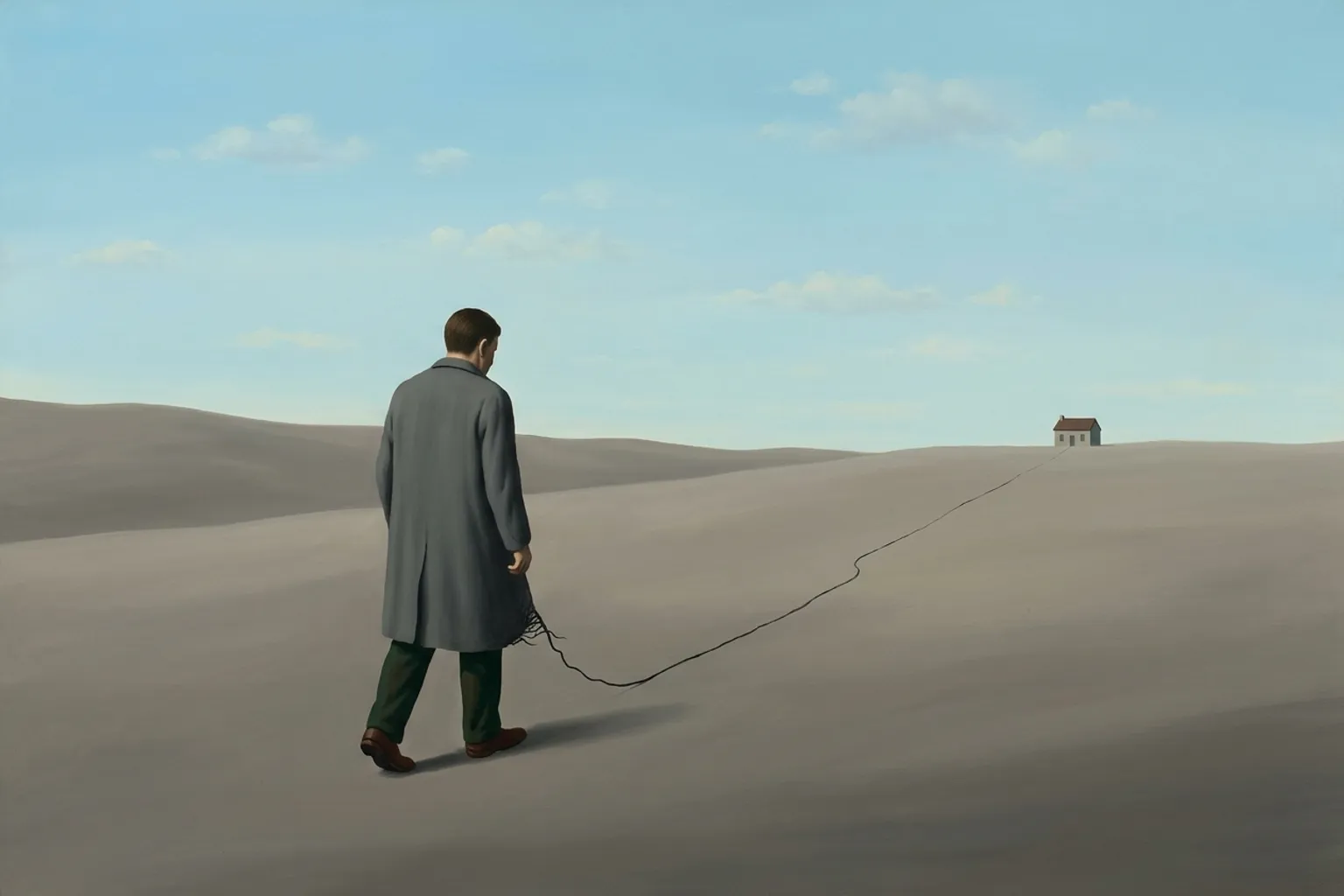
What sadness tends to mean in a dream
Sadness in a dream can be grief finding room it lacks by day, or a response to an ending the dream is staging. Crying in a dream is often a release the waking self has postponed, and people frequently wake feeling lighter.
Sadness in dreams is quieter than fear and is therefore underreported. People remember their nightmares; they tend to forget the dream in which they simply sat with someone who was gone, or walked through a house that had been emptied, or watched a shoreline recede. Yet sad dreams are among the most meaningful a person has, and they are frequently the ones that do the most work.
Dreams are where the mind completes its feeling. By day we interrupt sadness constantly; there is always something to attend to, and a kind of social pressure to be fine. At night the interruptions stop. A dream can hold a sorrow for as long as it needs holding, and the tears people wake with are often tears the day did not have room for. In that sense a sad dream is not a symptom of something wrong. It is an emotion being allowed to finish.
Jung saw sadness in dreams as closely tied to what he called the process of individuation, the slow work of becoming fully oneself. That work involves losses: of earlier selves, of roles that no longer fit, of the futures that were possible before a choice was made. Dreams mark these losses with funerals for people who are alive, with childhood homes that are for sale, with friends from years ago who say goodbye. The sadness is real and it is appropriate. Something has ended, even if waking life has not yet admitted it.
It matters whether the sadness in a dream has an object. Grief for a specific person or place is one thing and usually names itself. A sadness with no object, a grey weight over an ordinary dream, is different, and when it recurs it is worth taking seriously as information about your waking state rather than as a symbol. Persistent sad dreams can precede the conscious recognition of a low mood by weeks.
The image a sad dream chooses is its most useful part. Rain, a tide going out, a train leaving, a house in winter: each locates the sadness somewhere. Rain is sadness that is being released. A departure is sadness about change. An empty house is sadness about what used to be held there. The emotion says that something matters; the image says what.
Waking up crying from a dream
Tears on waking are real tears; the body has been crying, whether or not you remember why. This usually follows a dream that reached something the day keeps at a distance: a loss that was never properly mourned, a relationship that ended without a conversation, a version of yourself you miss. It is common in the months after a bereavement and in periods of quiet change. Write down whatever remains before it goes, because even a single image will tell you which loss the tears belonged to.
Dreaming of someone who has died
Dreams of the dead are often sad and often, in the same breath, consoling. In most of them the person is simply present: at the table, in the garden, on the phone. Grief researchers consider these dreams a normal and usually helpful part of mourning, and many bereaved people describe them as visits rather than dreams. Whatever one believes about that, the dream gives the relationship a place to continue. Notice what the person says or does not say; unfinished conversations tend to resume here.
Sad dreams about an ex or an old friend
When someone from the past returns to a dream with sadness attached, the dream is rarely about wanting them back. More often it is about the part of your life they belonged to, or about a quality you associated with them (ease, youth, being known) that feels distant now. A sad dream about an ex after a good new relationship begins is common and confusing; it tends to mark the final letting go rather than a doubt.
Sadness in a dream with nothing sad happening
Sometimes the dream is ordinary and the feeling is not: a walk, a shop, a meeting, all of it soaked in sorrow. This is a mood report rather than a story, and it deserves attention when it repeats. Keep a note of the dates. If the grey dreams are outnumbering the others over several weeks, that is worth telling someone about; the dreams are often ahead of the waking mind in noticing a low patch.
Questions to ask about this dream
The meaning lives in your dream, not on this page. Before reaching for an interpretation, look at how the feeling actually behaved:
- Was the sadness about someone or something in particular, or was it simply the weather of the dream?
- Did you cry in the dream, hold it in, or wake in tears?
- Was anyone there with you in the sadness, or were you alone with it?
- What image did the dream use: rain, a departure, an empty place, a goodbye?
- Is there a loss, recent or old, that you have not had much room to feel lately?
- If the dream was about a person, what did they represent in your life at the time you knew them?
How often does your sleep feel this way?
A page like this can only describe sadness in general. What matters is your own pattern: how often the feeling comes, what it arrives with, and what was happening in your life on the nights it did. One dream is an anecdote. Thirty tagged dreams are a graph.
Lunar Log is a private, local-first dream journal that tags every dream with how it felt, from this same list of feelings, and charts them over months alongside the people, places and symbols they appear with. It's free on iOS and Android, and open on the web. Get the app.
New to this? Start with how to remember your dreams, or with keeping a dream journal you'll actually use. If a feeling keeps returning in the same dream, read about recurring dreams.