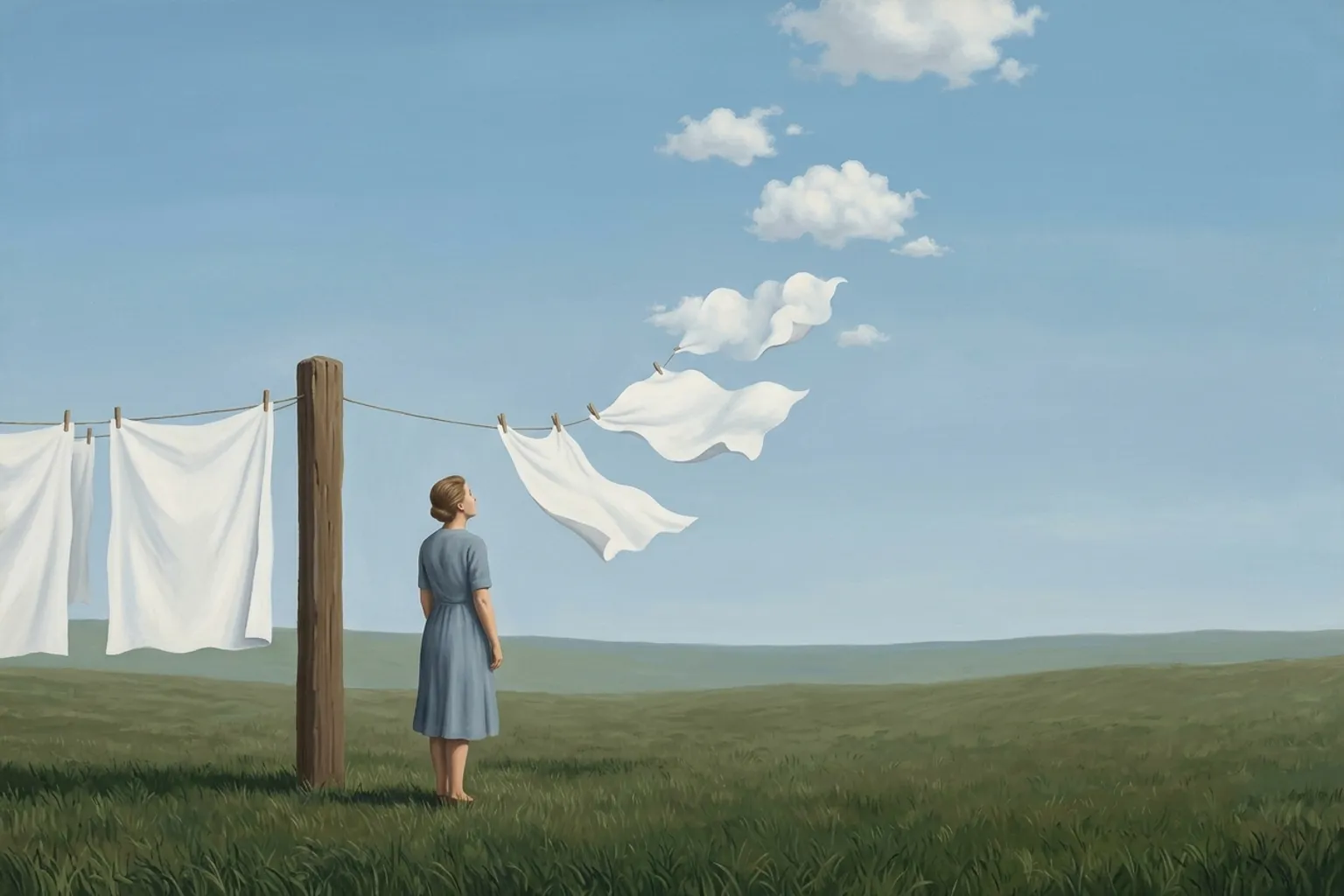
What joy tends to mean in a dream
Joy in a dream often marks a part of life that is working, or a wish being granted without conditions. Notice what you were doing and who was there: the dream is pointing at what actually nourishes you, which is not always what you pursue by day.
Joy is the most neglected dream emotion. People write down their nightmares and forget their happy dreams by lunch, partly because joy leaves no residue of alarm and partly because we do not think there is anything to interpret. But a joyful dream is as much a message as a frightening one, and since it is the rarer kind for most adults, it deserves at least as much attention when it arrives.
In the Jungian view, a joyful dream usually points at one of two things. Either something in waking life is genuinely working, and the dream is confirming it in a way the busy day does not, or the dream is compensating for a life that has grown narrow, showing you a joy that is available and not being lived. The difference is easy to tell: the first kind of dream feels like a reflection; the second feels like a reminder, with a pang on waking.
What produces the joy is the interpretable part. Flying is the classic joyful dream and speaks of freedom, of rising above a situation, of a perspective regained. Being with a particular person, alive or dead, speaks of what that person carries for you. Returning to a place, finding something lost, a door opening onto a landscape: each of these names a specific kind of happiness, and the specificity is the point. The dream is telling you what, for you, nourishes.
Joyful dreams cluster at particular times: in recovery from illness, at the start of a good relationship, after a long piece of work is finished, in childhood. They also, interestingly, appear at the bottom of hard periods, as if the psyche were sending supplies. A person who is grieving may dream of the lost one laughing; a person in a long winter may dream of a summer that does not belong to any year. These are not cruel. They are the psyche's way of keeping the capacity alive until it can be used.
A journal that tags joy gives you something almost nothing else does: a record, over months, of what actually made you happy, as reported by the part of you that does not know how to pretend. It is frequently not the list you would write by day.
Dreaming of flying and waking up happy
The flying dream is joy in its purest form for most people: weightless, free, above the ordinary. It tends to arrive when a constraint has lifted or when one badly needs to. Note how the flying felt (effortless, or a struggle to stay up) and what you were above. The landscape below is often the life the dream is freeing you from, for a night.
Happy dreams about someone who has died
These are among the most consoling dreams people report: the lost person alive, well, laughing, ordinary. They are common in the months and years after a loss and most bereaved people describe them as a gift. Whatever else they are, they mark a stage in grief where the person can be remembered with pleasure and not only with pain. Write them down in full; they are worth keeping.
Dreaming of a place you loved as a child
The childhood house, the grandparents' garden, the beach from one particular summer. Joyful return dreams visit the places where we were once wholly at ease, and they tend to come when the present lacks that ease. They are not telling you to go back. They are telling you what being at home feels like, so you can recognise it when it is possible again.
Waking up happy from a dream you can't remember
Like fear, joy outlasts the plot. A morning glow with no story attached means a dream carried a high positive charge, and it is worth noting the date and whatever fragment remains. People who track this find the glow days are not random; they follow certain kinds of days, certain company, certain decisions. The pattern is the useful part.
Questions to ask about this dream
The meaning lives in your dream, not on this page. Before reaching for an interpretation, look at how the feeling actually behaved:
- What, exactly, made the dream joyful: a person, a place, an act, a freedom?
- Did it feel like a reflection of your life now, or like a reminder of something missing?
- Who was there? What do they bring out in you when you are awake?
- Did the joy last through the dream, or did something interrupt it?
- When did you last feel this way awake? What was different then?
- Is the thing that made you happy in the dream something you could give yourself more of?
How often does your sleep feel this way?
A page like this can only describe joy in general. What matters is your own pattern: how often the feeling comes, what it arrives with, and what was happening in your life on the nights it did. One dream is an anecdote. Thirty tagged dreams are a graph.
Lunar Log is a private, local-first dream journal that tags every dream with how it felt, from this same list of feelings, and charts them over months alongside the people, places and symbols they appear with. It's free on iOS and Android, and open on the web. Get the app.
New to this? Start with how to remember your dreams, or with keeping a dream journal you'll actually use. If a feeling keeps returning in the same dream, read about recurring dreams.