What hope tends to mean in a dream
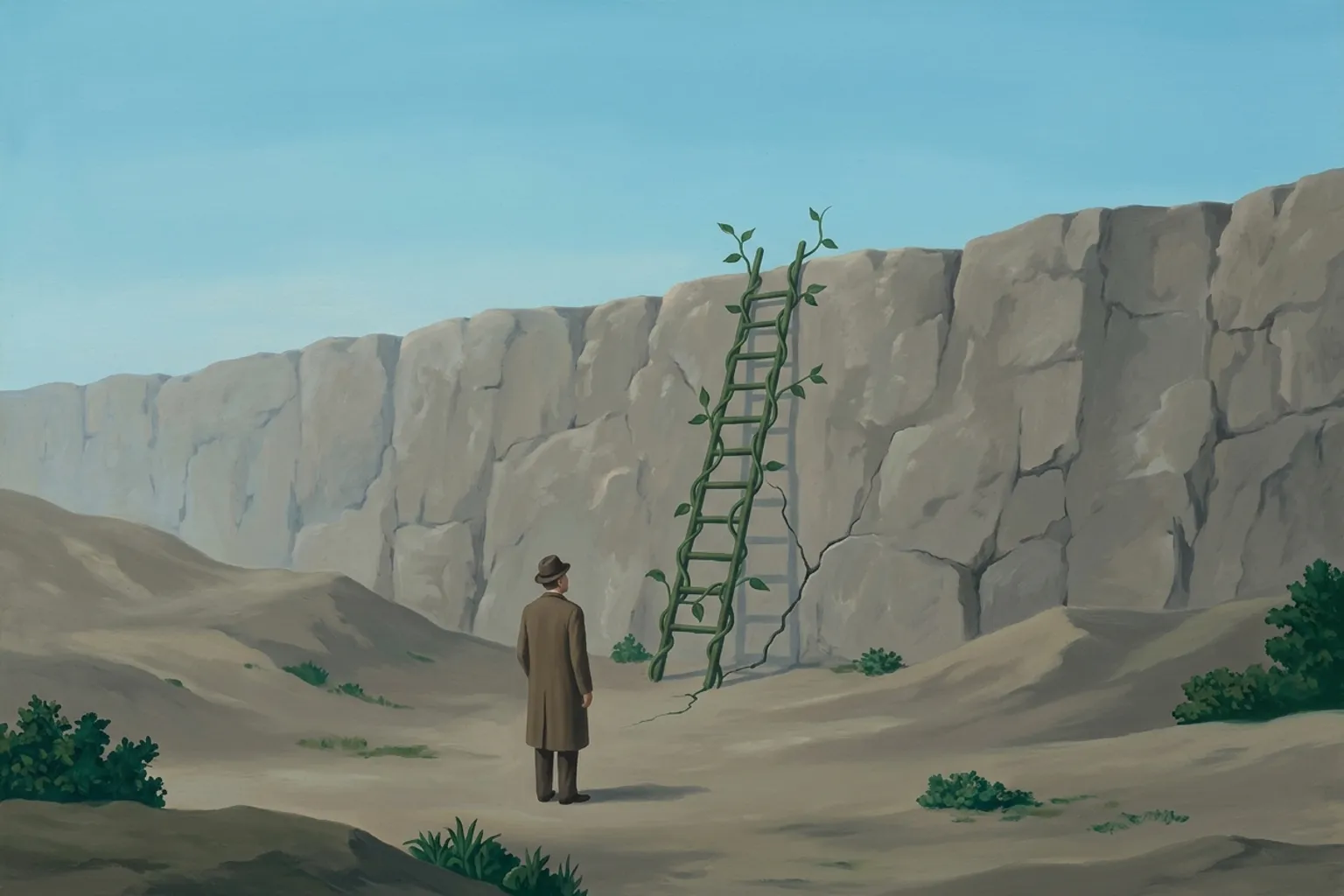
Hope tends to appear as dawns, roads, seeds, a door left ajar. It often arrives when waking life feels stuck, as the psyche's reminder that the situation is not closed — or as a nudge toward the direction it wants you to try.
Hope in a dream has a particular look. A dawn coming up over something dark. A road opening. A seed, a shoot, a door left ajar, a letter arriving, a light in a window at the end of a long walk. The feeling is forward-leaning and quiet, closer to trust than to excitement, and it tends to arrive in the seasons when the dreamer has least of it by day.
In the Jungian reading, hope is the psyche's report that the situation is not closed. Depression and despair narrow the waking mind's sense of the possible, and the unconscious, which is less impressed by circumstances, answers with images of opening. This is compensation in its kindest form. The hopeful dream does not promise an outcome. It reminds the dreamer that the story has more than one direction left in it.
These dreams also arrive as nudges. The road in the dream goes somewhere; the door opens on a particular room; the dawn rises over a specific landscape. The psyche is not vague, and a hopeful dream usually contains a direction the dreamer has been considering and dismissing. The hope is attached to that direction. The dream is saying: this one.
The image of hope tells the dreamer what kind of opening is on offer. Dawn is the end of a dark period, hope as time passing. A road or path is hope as a direction to take. A seed or a shoot is hope as something small that needs tending before it shows. A door ajar is hope as a possibility that wants only to be pushed. Each asks something different of the dreamer.
Hopeful dreams are worth trusting a little more than the waking mind wants to. They come from the part of the psyche that has watched the whole of the dreamer's life and has not concluded that it is over. The question is not whether the hope is realistic. It is what, in the dream, the hope was for, and whether the dreamer has been allowing themselves to want it.
Dreaming of a sunrise or dawn
The dawn dream is the oldest image of hope and still the clearest: a dark period ending by the simple passage of time. It tends to arrive in the late stages of grief, illness or depression, often before the dreamer feels any change awake, and it is one of the more reliable signs that a change is coming. Notice what the light fell on. That is what the psyche expects to see clearly first.
Dreaming of an open door or a road ahead
A door left open, a path appearing, a road that was not there before: these hope dreams contain a direction, and the direction is usually one the dreamer has been talking themselves out of. The dream is not guaranteeing the road. It is pointing at it. Ask where the door led, or what was visible down the road, and whether some version of that has been on your mind.
Hopeful dreams during depression
A hopeful dream in the middle of a depression can be dismissed on waking as a trick, and it is the opposite. The waking mind in depression is the unreliable narrator; the dream comes from a wider view. It does not mean the depression is over. It means the part of you that knows it will end is still there and still speaking. Write the dream down. On bad days, read it.
Dreaming of planting or of something growing
A seed, a shoot, a garden coming into leaf: growth dreams are hope with a task attached. The psyche is showing that something small is alive and will show in time, and it is asking for the tending that growth needs. These dreams come at the start of recoveries, projects and relationships, and they are patient. Whatever was growing, give it time and water, and do not dig it up to check.
Questions to ask about this dream
The meaning lives in your dream, not on this page. Before reaching for an interpretation, look at how the feeling actually behaved:
- What was the image of hope: light, road, door, growth?
- Where did it lead, or what did it fall on?
- Is that direction one you have been considering and dismissing?
- How dark has the waking season been, and for how long?
- What did the hope ask of you: patience, a push, a step?
- What would you want, if you allowed yourself to want it?
How often does your sleep feel this way?
A page like this can only describe hope in general. What matters is your own pattern: how often the feeling comes, what it arrives with, and what was happening in your life on the nights it did. One dream is an anecdote. Thirty tagged dreams are a graph.
Lunar Log is a private, local-first dream journal that tags every dream with how it felt, from this same list of feelings, and charts them over months alongside the people, places and symbols they appear with. It's free on iOS and Android, and open on the web. Get the app.
New to this? Start with how to remember your dreams, or with keeping a dream journal you'll actually use. If a feeling keeps returning in the same dream, read about recurring dreams.