What unease tends to mean in a dream
Unease is the signature feeling of the uncanny dream: a familiar place subtly wrong, a person who is not quite themselves. It often flags a waking situation you have not consciously admitted is wrong, and deserves a closer look.
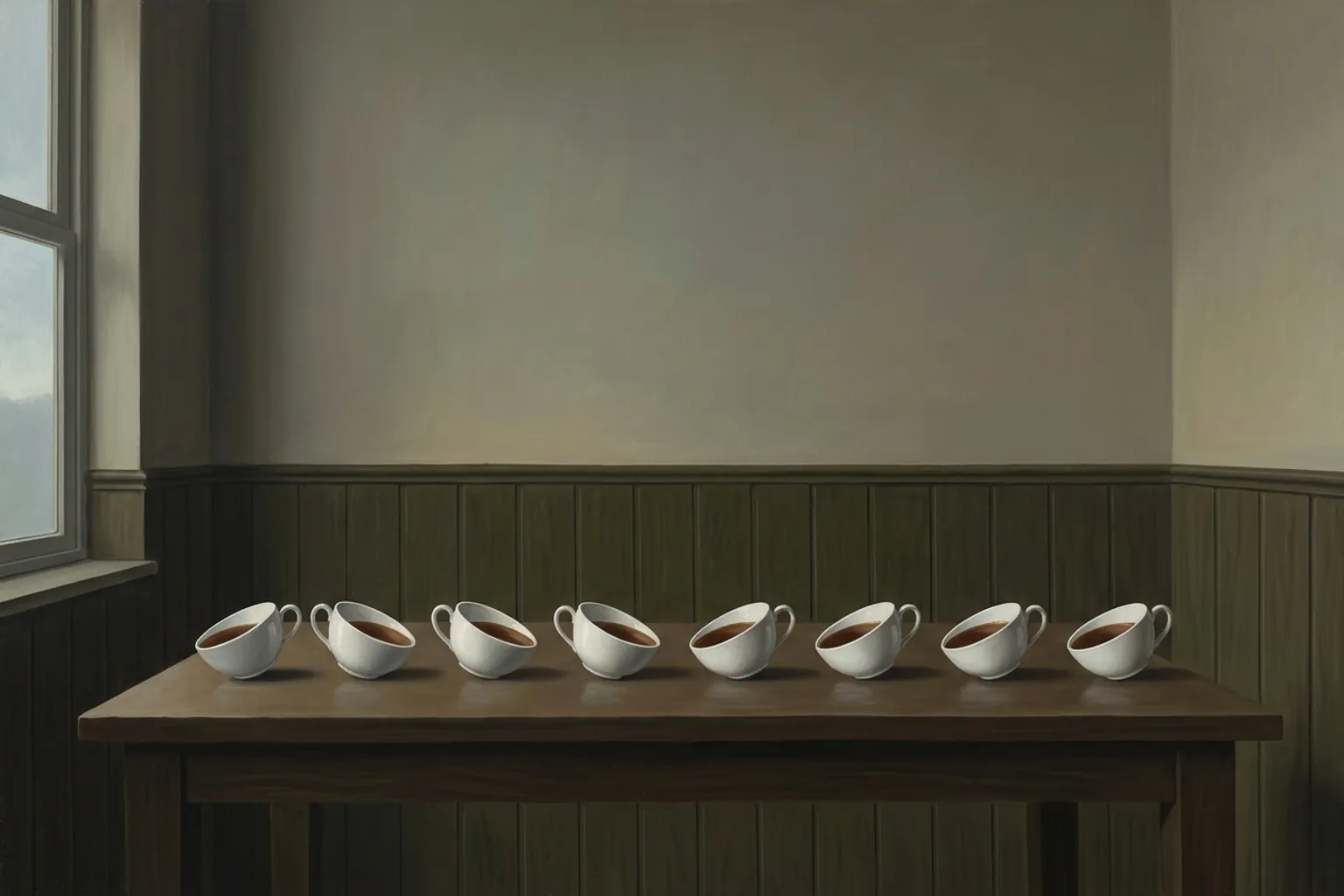
Unease is the feeling before fear has anything to attach to. The house is your house, but the light is wrong. The person is your friend, but they are not quite themselves. The street is familiar and empty in a way it never is. Nothing has happened, and the dreamer knows, with the whole body, that something has changed. These are the uncanny dreams, and they are among the most precise the psyche produces.
In the Jungian reading, unease marks a perception the waking mind has made and not admitted. The dreamer has noticed something: a shift in a relationship, a wrongness at work, a change in their own body or mood, and has filed it under nothing. The dream refuses the filing. It takes the familiar setting and adjusts it just enough that the dreamer cannot ignore the adjustment, and the unease is the dreamer's own suppressed noticing, returned.
The uncanny dream is not a nightmare, and the distinction matters. A nightmare stages the fear at full size; the uneasy dream stages only the sense that the fear has a reason. It is earlier in the process, and more useful. The nightmare says: this is what you are afraid of. The uneasy dream says: look again at the thing you decided was fine.
What is off in the dream says where to look. A familiar place subtly wrong, a room, a house, a town, is a situation the dreamer inhabits that has changed under them. A person who is not quite themselves is a relationship in which something has shifted, or a part of the dreamer they no longer recognise. A wrongness in the dreamer's own body or reflection is health, or identity, asking for attention. Silence or emptiness where there should be people is a withdrawal the dreamer has not named.
The question is what, exactly, was wrong, and where in waking life the same wrongness might be found. Unease dreams reward precision. The dreamer who can say the light was wrong in the kitchen, or that the friend smiled a beat too late, has been given a very specific pointer, and it usually points somewhere they have been avoiding looking.
Dreaming of your house but something is wrong with it
The house is the self and its situation, and a house that is subtly off, the rooms in the wrong order, the light strange, a door that was never there, a hum, is the dream flagging a change the dreamer has not acknowledged in their own life or home. It is not the dream of new rooms, which is curious; the difference is the dread. Something in the foundation has shifted. Ask what changed in the house, and what changed recently in your life.
Dreaming that someone is not who they seem
The friend, partner or parent who looks right and is wrong, who smiles a beat late or watches too closely or speaks in the wrong voice, is one of the oldest uncanny images. It marks a shift in a real relationship the dreamer has felt and not named, or a part of themselves that has become strange to them. The dream is not accusing the person. It is asking the dreamer to look at what they have noticed and set aside.
Dreams of an empty, silent version of a familiar place
The town with no one in it, the school after everyone has gone, the office at a wrong hour: silence where there should be people is a withdrawal, the dreamer's own or someone else's, that has not been said aloud. These dreams arrive when a connection is thinning, a friendship, a marriage, a belonging, and the dreamer has been pretending not to feel the draught. Who should have been there, and where have they gone by day?
Waking up with a feeling of dread you cannot explain
Sometimes the dream is gone and the unease stays: a morning that begins wrong for no reason the dreamer can find. This is the residue of an uncanny dream, and it is worth taking as information rather than mood. Something was noticed in the night. Rather than shaking it off, ask what in the coming day, or in the recent past, you have been telling yourself is fine. The feeling usually knows.
Questions to ask about this dream
The meaning lives in your dream, not on this page. Before reaching for an interpretation, look at how the feeling actually behaved:
- What, precisely, was wrong: the light, a face, a sound, an absence?
- Was the setting one you inhabit by day?
- Who was not quite themselves, if anyone?
- What have you recently decided was fine without quite believing it?
- Has something in a relationship or a situation shifted under you?
- If the dream is a pointer, where is it pointing?
How often does your sleep feel this way?
A page like this can only describe unease in general. What matters is your own pattern: how often the feeling comes, what it arrives with, and what was happening in your life on the nights it did. One dream is an anecdote. Thirty tagged dreams are a graph.
Lunar Log is a private, local-first dream journal that tags every dream with how it felt, from this same list of feelings, and charts them over months alongside the people, places and symbols they appear with. It's free on iOS and Android, and open on the web. Get the app.
New to this? Start with how to remember your dreams, or with keeping a dream journal you'll actually use. If a feeling keeps returning in the same dream, read about recurring dreams.